When Reality Defeats Digital: The Hidden Challenge of Capturing Combat Performance
When Reality Defeats Digital: The Hidden Challenge of Capturing Combat Performance
In high-stakes military training, some of the most critical performance data vanishes the moment it happens.
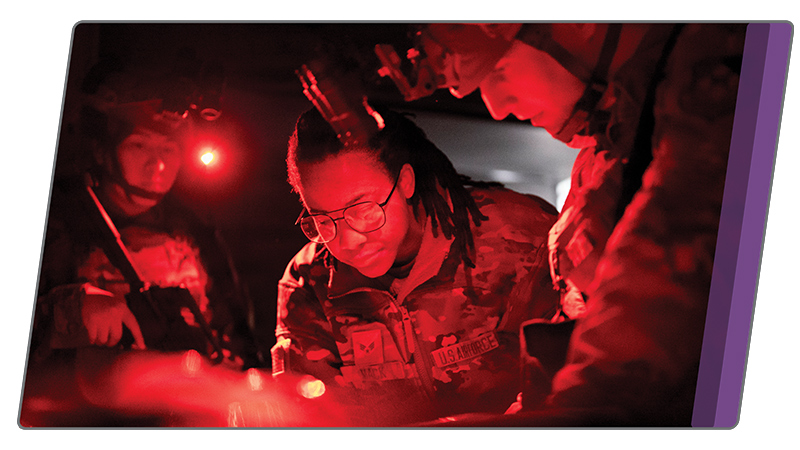
Picture this: A Surface Warfare team conducts a complex command and control exercise. Operators are making rapid fire decisions, coordinating across stations, adapting to quickly evolving threats. The training is intense, chaotic, realistic—exactly what they need.
But here’s the problem: Not every crucial action happens on a screen. Not every decision leaves a digital footprint.
Traditional approaches rely on human observers to fill this gap, but they face three brutal realities:
- The window to capture performance data is fleeting—blink and it’s gone
- Observer bias creeps in, skewing assessments toward the middle or creating “halo effects”
- No single person can track everything happening in a dynamic training environment
The result? Critical performance insights are lost. Operators miss targeted feedback that could accelerate their readiness. Commanders lack the granular data needed to optimize training.
So how do you make subjective observation as objective as possible?
It starts with acknowledging that human observation isn’t the weakness—it’s an essential strength when properly supported. Here’s the proven recipe for transforming subjective ratings into objective insights:
- Deploy multiple trained observers – No single person can capture everything in complex scenarios
- Train raters on specific taskwork dimensions – Observers must deeply understand what they’re evaluating
- Educate on bias traps – Especially halo effects (one good/bad trait colors everything) and central tendency (defaulting to middle ratings)
- Conduct standardization trials – Before the real exercise, ensure all raters align on what performance levels look like, as defined by specific positive and negative behavior examples
- Use behaviorally-anchored rating scales – Replace vague criteria with objective behavioral markers that define minimum standards
- Analyze interrater reliability AND agreement – Measure both consistency and consensus to identify where additional training is needed
- Implement digital tools with bias detection – Technology that flags rating patterns and captures behavioral context, not just scores
Adaptive Immersion’s winning entry in the Navy’s Surface Warfare Combat Training Continuum challenge proved this integrated approach works. By combining human expertise with intelligent technology, the TRIDENT platform provided immediate, practical fixes to the real pain points of subjective training assessment.
In the end, the goal isn’t just to collect data—it’s to ensure every operator gets the precise feedback they need to master their craft when lives are on the line.
What’s your biggest challenge in capturing performance data from complex, real-world training scenarios?
#MilitaryTraining #PerformanceAssessment #SurfaceWarfare #TrainingInnovation #DefenseTech
#SurfaceWarriors #Warfighting #Readiness #Lethality #NavalTraining #SMWDC #TacticalExcellenceByDesign #Military
Some excellent, real-world insights on the critical steps needed to make subjective assessments as objective as possible.
Adaptive Immersion’s use case centered on automating training performance measurement in the Surface Warfare combat training domain.
The exact same principles (mitigating rater bias, rater training and calibration, and interrater consistency and consensus) have a huge relevance for performance rating in the context of personnel selection as well.
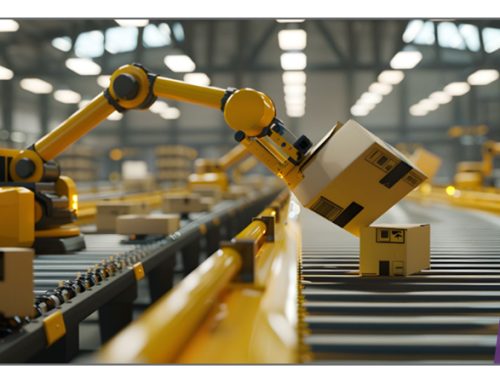
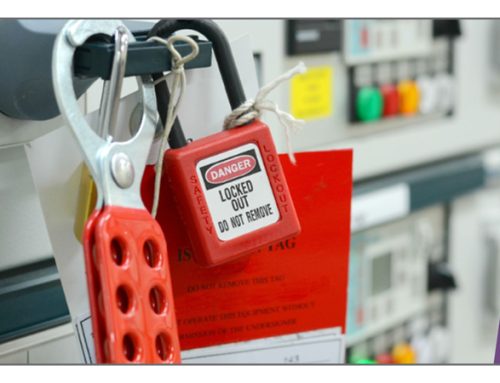
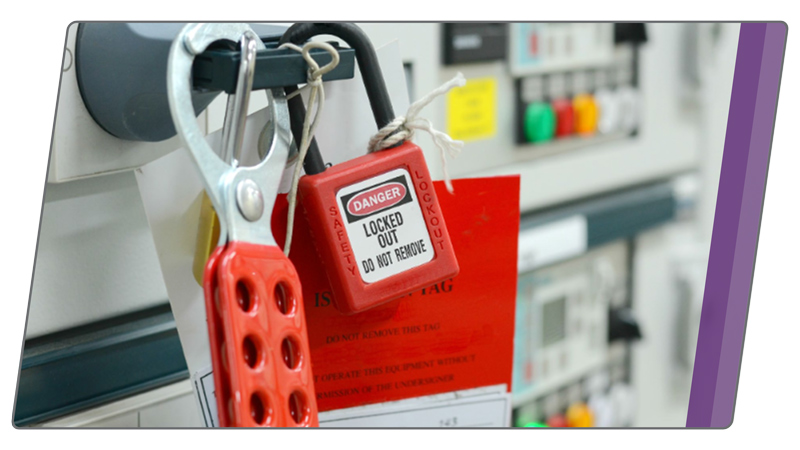
A persistent pain point we have observed the industrial safety domain is that a good portion of a worker’s everyday performance may never get observed or recorded. So many “near miss” incidents, which are enormously valuable for informing assessments and training, are never captured.
I would love to hear from others who may be experiencing this or similar challenges and creative ways to address it.
Great real-world breakdown of turning subjective observation into objective data.
We tackled this exact pain point for the Navy’s Surface Warfare training—but the principles (mitigating rater bias, rater training and calibration, and interrater consistency and consensus) apply directly to personnel selection.
In industrial safety, we see the same persistent pain point: much of what workers do (and almost do), all day/every day, never gets captured. Those near-misses that could prevent tomorrow’s accident? They vanish into thin air.
Some key parallels:
- Manufacturing floor = tactical operations center
- Safety-critical decisions = mission-critical choices
- Unrecorded near-misses = lost training moments
Whether you’re assessing combat readiness or safety awareness, the core challenge remains: How do you objectively measure performance that happens between the digital touchpoints?
The techniques that work in military settings—multiple observers, behavioral anchors, bias mitigation, intelligent tools—have a direct relevance for industrial environments.
Anyone else wrestling with this visibility gap in their performance assessments? I would love to hear from you.
#IndustrialSafety #SafetyCulture #NearMiss #SurfaceWarfare #MilitaryTraining #PerformanceAssessment #WorkplaceSafety
#IndustrialSafety #WorkplaceSafety #TrainingInnovation #SafetyCulture
#IndustrialSafety #SafetyCulture #NearMiss #SurfaceWarfare #MilitaryTraining #PerformanceAssessment #WorkplaceSafety