Why Safety Training Alone Can’t Fix Your Accident Problem
Why Safety Training Alone Can’t Fix Your Accident Problem
The Expensive Pattern That Keeps Repeating
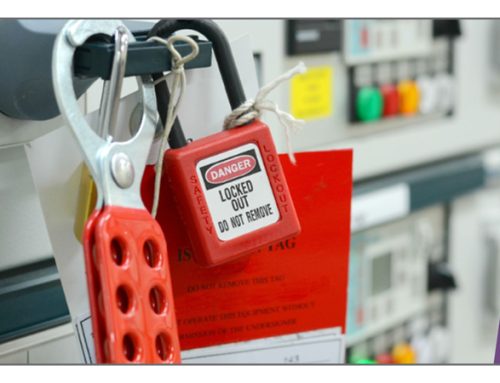
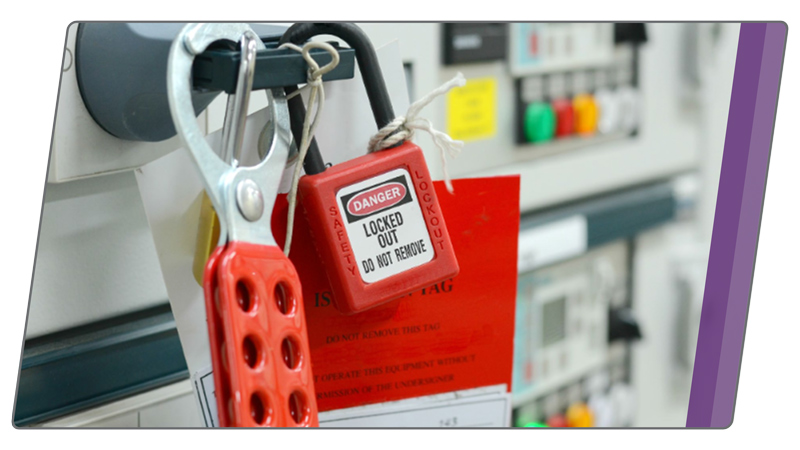
A Fortune 10 manufacturing executive recently shared something that might sound familiar to you: “We’ve invested millions in safety training, but the same accidents keep happening. About every 12-15 months, after our seasonal hiring surge, we see the exact same pattern – near-misses, shortcuts on lockout procedures, improper lifting. It’s like watching a replay.”
This company had everything you’d expect from a world-class safety program. Strong leadership commitment. Comprehensive job-specific training. Regular toolbox talks. Yet the violations persisted, following predictable cycles tied to their hiring waves.
The uncomfortable truth? You can’t train someone to have safety instincts they don’t naturally possess.
When Training Falls on Deaf Ears
Think about the people who excel at workplace safety. They’re not just the ones who memorize procedures. They’re the ones who naturally spot when something “doesn’t look right.” They think two steps ahead about what could go wrong. They speak up when they see risky behavior. They stay careful and methodical even when production deadlines are breathing down their necks.
These aren’t skills you can teach in a classroom or during orientation week. They’re fundamental ways of seeing and responding to the world around you. Some people scan a work area and immediately notice the forklift blind spot or the improperly stored chemicals. Others walk right past these hazards without a second thought.
If you’re hiring people who lack this natural safety awareness – those who don’t instinctively recognize hazards or think through consequences – no amount of world-class training will transform them into safety champions. You’re asking training to do something it was never designed to do: fundamentally change how someone perceives and responds to risk.
The Missing Link in Your Safety Strategy
Most companies test technical skills and check certifications during hiring. But how many actually measure the traits that predict real safety performance? How many validate their assessments against actual safety outcomes? How many test for pattern recognition of common hazards, or decision-making under pressure?
Consider what your pre-employment assessments are really measuring. Do they evaluate:
- Pattern recognition for spotting workplace hazards before they become incidents
- Decision-making quality when faced with competing priorities like safety versus speed
- The specific conscientiousness traits – being orderly, thoughtful, careful, deliberate – that predict who will follow protocols when no one’s watching
- The ability to maintain attention to detail even during long, repetitive tasks
Without measuring these fundamental capabilities, you’re essentially rolling the dice on whether your new hires can absorb and apply your safety training. You’re hoping that expensive training programs can somehow install safety instincts that should have been there from day one.
Breaking the Cycle Starts Before Day One
The cycle of recurring safety incidents isn’t just a training problem – it’s a selection problem that training alone can’t fix. Every time you hire someone without the right safety instincts, you’re setting up your safety programs to fail before they even begin. You’re creating future incidents that will require investigations, retraining, and often, human suffering that could have been prevented.
Organizations that have broken this cycle share one thing in common: they changed how they think about safety assessment. They stopped treating safety capability as something that could be taught from scratch. Instead, they started measuring it before making the hire, using realistic scenarios that reveal how candidates actually think and react when safety is on the line.
Your Next Step
Take a hard look at your own safety metrics. Do you see patterns in when incidents spike? Do certain types of violations keep happening despite repeated training? Are your newest employees disproportionately involved in safety incidents?
If you’re seeing these patterns, the solution might not be more training or stricter enforcement. It might be time to reconsider who you’re bringing through the door in the first place. Because when it comes to workplace safety, some capabilities just can’t be trained – they need to be there from the start.
What patterns have you noticed in your organization’s safety performance? Are there certain times or situations when incidents predictably increase? Understanding these patterns is the first step toward addressing the root cause, not just the symptoms.