Adaptive Immersion Brings First-Hand Field Results on Procedural XR Training to the Global XR Summit
Adaptive Immersion Brings First-Hand Field Results on Procedural XR Training to the Global XR Summit
Dr. Phillip M. Mangos presents operator data, end-user feedback, and a candid read on what procedural XR training delivers today at the summit’s first U.S. edition
Adaptive Immersion CEO and Chief Scientist Dr. Phillip M. Mangos presents “Procedural Training in XR: Results from the Field” today at the Global XR Summit, hosted by Varjo at The Factory at Franklin, outside Nashville, Tennessee. The session draws on Adaptive Immersion’s hands-on work with real operators to give a first-hand account of where procedural XR training stands in the field: what it measurably delivers, where it still falls short, and what the people using it every day are asking for next.
After a first edition in Munich in 2025, the Global XR Summit comes to the United States for the first time. Over two days of keynotes, live demonstrations, and closed-door sessions, it brings together senior leaders from national defense forces, aerospace and defense primes, civil aviation operators and training organizations, and the simulation and training providers who work alongside them.
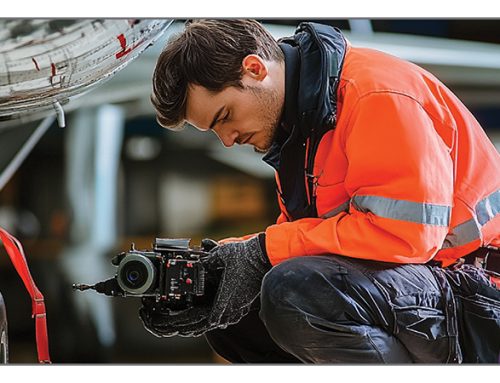
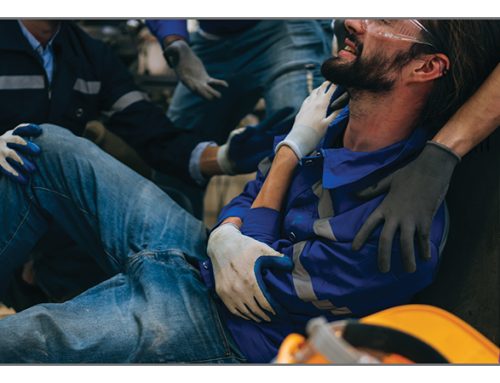
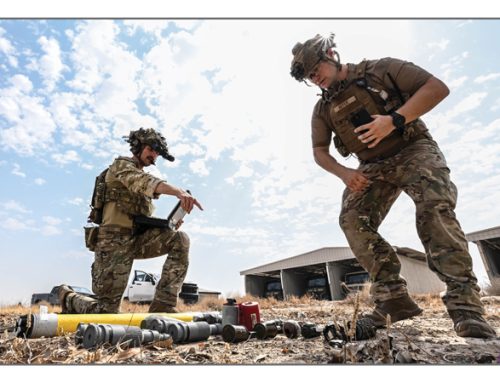
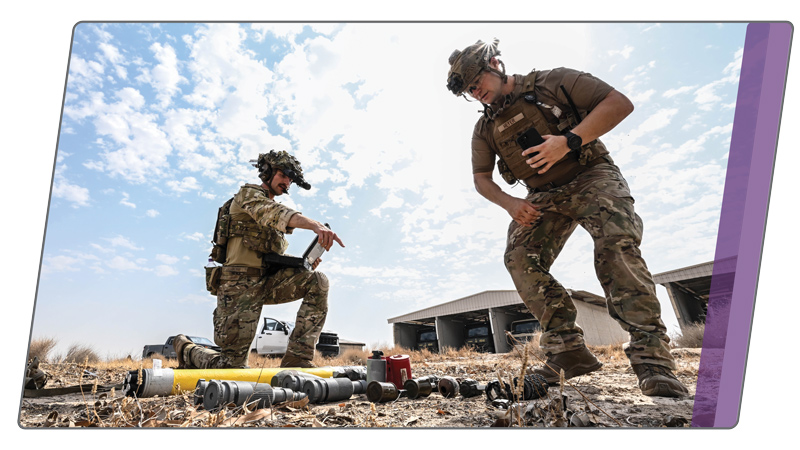
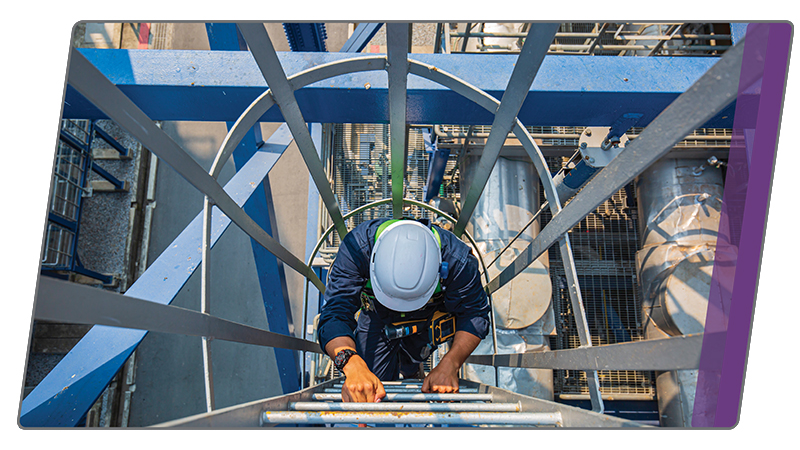
The session focuses on a specific class of work: jobs that are hands-on, procedural, technical, and dangerous. Aircraft and weapons maintenance. Explosive ordnance disposal. Ground operations and carrier flight-deck crews. In these jobs, the risk of injury is highest in an operator’s first 90 days — exactly when that operator has had the fewest chances to practice.
Training leaders know the old way well. Fight for access to a physical training site. Get a limited number of reps. Walk away with an overall pass or fail that says little about which step went wrong. The field results in the session describe what changes when the training site is always available, when new scenarios can be generated on demand for countless reps and sets, and when every repetition ends with a detailed debrief — replay, scoring on the key mission competencies, and assessments the trainee never notices are running.
“There is a lot of enthusiasm about XR in training right now, and not nearly enough first-hand reporting from the field,” said Mangos. “Our numbers come from real operators doing real procedures. I want to give this audience an honest look at what we have actually measured — the return, the safety outcomes, and the two things end users keep asking us for — so they can decide for themselves where XR belongs in their own programs.”
The session’s central finding, based on hard data from real operators, is that XR procedural training can produce roughly $10 million in annual return for a large military or defense user base from improved job performance alone. That works out to about $14,000 in added productivity per operator per year, along with fewer accidents, safety incidents, and near misses, and less waste from damaged equipment, misused tools, and general inefficiency. The figure does not include the separate savings from reduced travel, maintenance, and logistics for live training, which Adaptive Immersion estimates at an additional $7–9 million a year, or roughly a 67 percent cost reduction.
The session also reports what operators themselves say they need. The single most common request is more scenarios and more diverse content, enough to cover the full spectrum of missions and operations. The runner-up is easier extraction of performance and grading data, so instructors and leaders can get at the results without a data project.
Mangos closes with three takeaways from the field: XR training is essential for hands-on dangerous jobs; smart scenarios should be built from real-world content; and ROI is a real, measurable, causal outcome of XR training rather than a projection. The presentation opens a season of immersive-training events for Adaptive Immersion, including three public LinkedIn Live sneak previews in September and the Augmented Enterprise Summit in Atlanta, October 13–15, where the company demos at booth 121.
For training leaders in defense and aviation, the utility of XR training goes beyond the excitement level it produces in its users, producing tangible value through enhanced job performance and reduced cost.