Adaptive Immersion Releases New Virtual Reality Training for Oil Rig Roustabout and Floor Hand Roles
Adaptive Immersion Releases New Virtual Reality Training for Oil Rig Roustabout and Floor Hand Roles
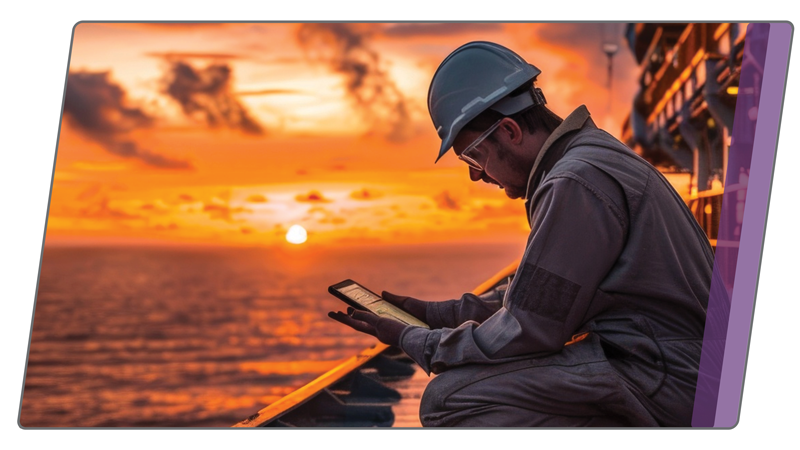
New RigSim VR scenarios target work at height, cargo load handoffs, and drilling emergency response — grounded in a fresh analysis of the Deepwater Horizon disaster and dozens of other real-world incidents.
Adaptive Immersion today released new virtual reality training content for offshore oil rig operations, focused on two of the most demanding entry-level jobs on the deck: the roustabout and the floor hand.
These roles handle some of the rig’s most physically dangerous work, often with the least experience behind them. The new RigSim VR scenarios let crews rehearse three high-stakes areas of the job: working safely at height, cargo load handoffs, and emergency response during drilling operations. Each scenario puts a new worker through the kinds of decisions that, on a live deck, leave no margin for error.
The release also includes completed graphics upgrades. Sharper environment and equipment detail make the simulated rig feel closer to the real deck, which helps the lessons carry over when a worker steps onto an actual platform.
To ground the new content in reality, Adaptive Immersion completed a comprehensive critical-incident analysis of the Deepwater Horizon disaster — released to mark the anniversary of the April 20, 2010 blowout in the Gulf of Mexico, which took the lives of 11 workers and injured many others. The company paired that analysis with a review of dozens of additional offshore and industrial incidents, and developed return-on-investment forecasting drawn from those real-world events to help operators weigh the cost of training against the cost of a preventable loss.
“Most serious incidents on a rig do not come from exotic failures. They come from routine tasks done under pressure by people who have not had enough repetitions,” said Dr. Phillip M. Mangos, Founder and CEO of Adaptive Immersion. “Roustabouts and floor hands carry a lot of that risk. Letting them live through the hard moments before they are on a live deck is how you close the gap between trained and ready.”
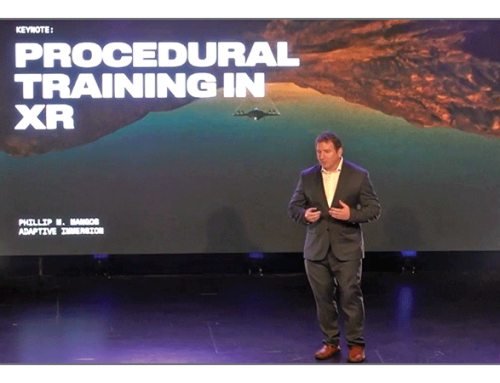
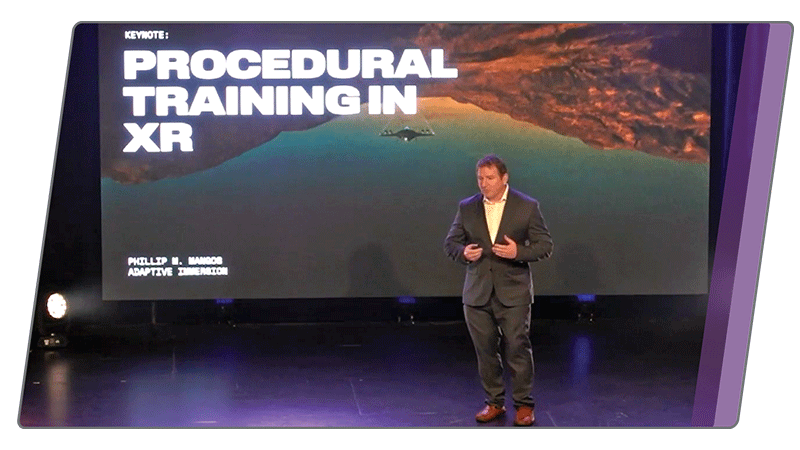
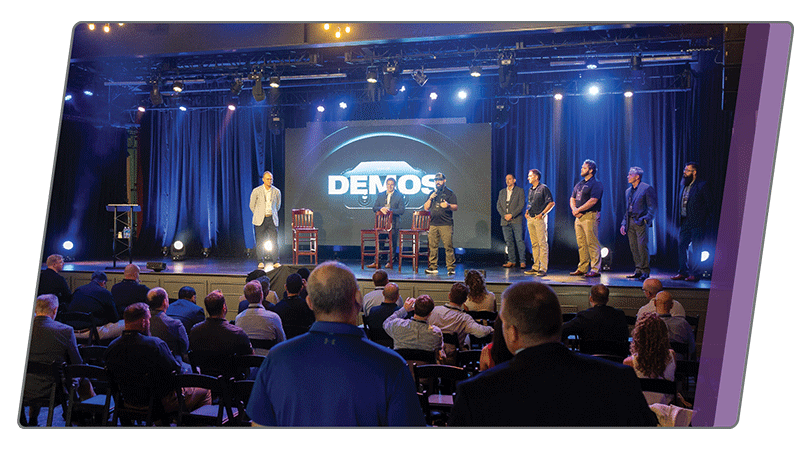
Adaptive Immersion recently shared these lessons in a live session titled “From Drill Floor to Day-One Ready: VR Lessons from Deepwater Horizon,” walking through what real incidents teach about preparing newer crews for the work ahead of them.
More than a decade and a half after Deepwater Horizon, the offshore industry’s hardest lessons still belong to the people closest to the work. Giving newer crews a safe place to live through those lessons first is one of the clearest ways to honor them.