Adaptive Immersion Completes Virtual Reality Trainer Upgrades for EOD Teams at Four Air Force Sites
Adaptive Immersion Completes Virtual Reality Trainer Upgrades for EOD Teams at Four Air Force Sites
Enterprise-wide updates add new scenario content, hardware upgrades, AI-driven scenario generation, and interactive aging-ordnance modules — shaped by feedback from the technicians who use the systems every day.
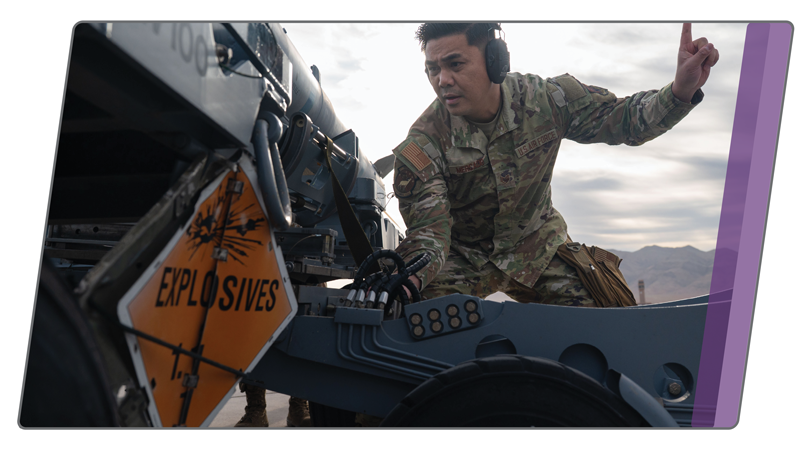
Adaptive Immersion, a leader in virtual reality training for high-risk operations, today announced it has completed a round of enhancement updates to the explosive ordnance disposal (EOD) virtual reality trainers fielded at four U.S. Air Force sites. The improvements reach across the Air Force EOD enterprise and were built directly from the input of the airmen who train on the systems.
The updates span three areas: new scenario content, hardware upgrades, and deeper artificial intelligence integration. Together they widen the range of render-safe situations a technician can rehearse, sharpen the realism of each exercise, and let instructors build tailored training faster.
A centerpiece of the release is a new set of interactive modules built around aging and expired ordnance — munitions that have reached or passed their service life and can behave in unexpected ways. Technicians can now practice identifying, assessing, and safely handling these items in a consequence-free environment, building judgment well before they meet the real thing on the job.
The artificial intelligence upgrades let the system adapt scenarios to a trainee’s past performance and give instructors a faster way to spin up custom exercises that target specific skills. The result is more repetitions on the situations each team needs most.
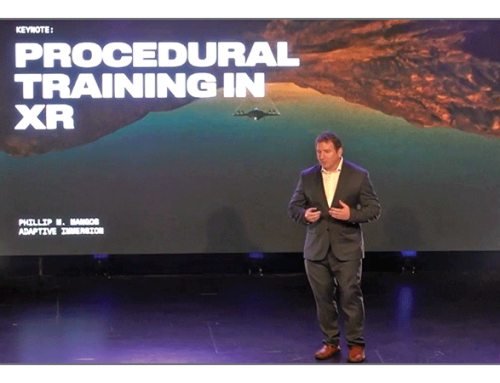
“EOD work leaves no room for a learning curve. The first time a technician faces a hazard, it cannot be the first time they have ever seen it,” said Dr. Phillip M. Mangos, Founder and CEO of Adaptive Immersion. “By letting teams rehearse the hardest and rarest situations in virtual reality — including ordnance that has aged past its prime — we help them arrive ready on day one.”
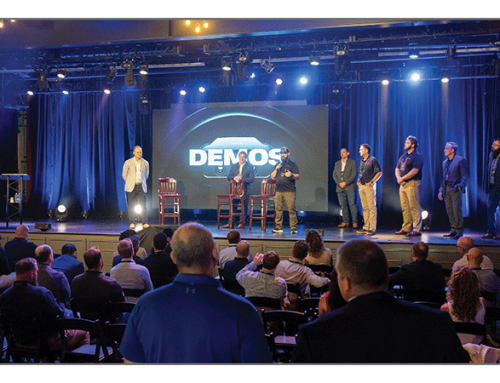
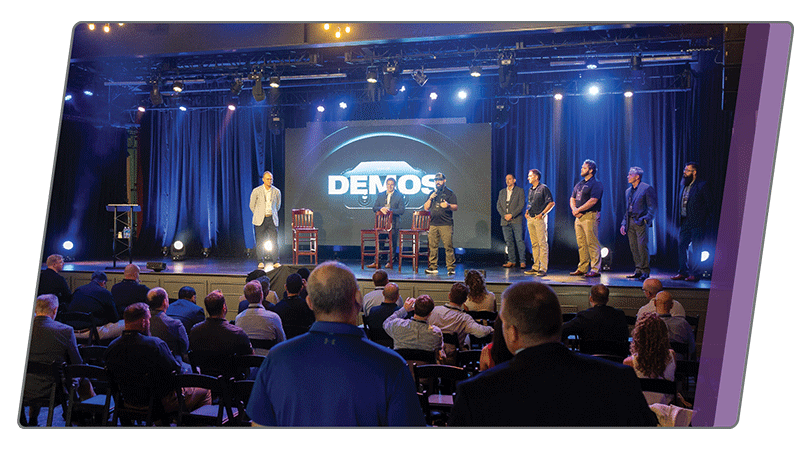
The upgrades were not designed in isolation. Adaptive Immersion ran intensive on-site user feedback sessions at each location, then turned what it heard into rapid customization and upgrade sprints — short development cycles that put real changes back in front of users quickly rather than months later.
“The technicians know exactly where a scenario feels true and where it does not,” said Alejandro Arca of Adaptive Immersion. “Working on site and turning their feedback around in days, not quarters, is how the training keeps pace with the job.”
The best training reflects the real conditions of the work. When the people who do the job help shape the tools that prepare them, readiness improves for everyone who follows.